
Testosterone Replacement Therapy: 5 Options Explained
By: Physicians Preference RX
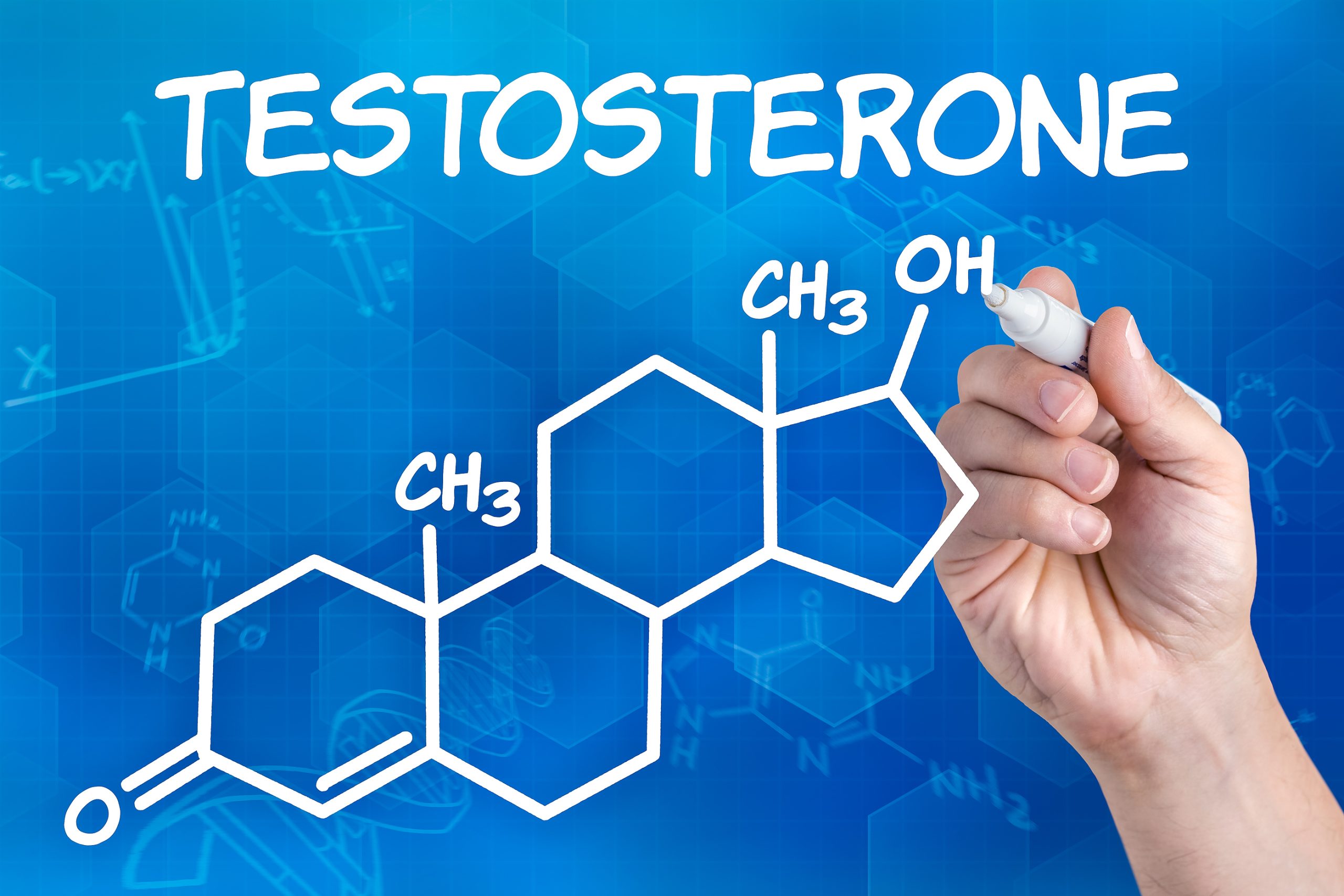
Most people think of testosterone as a male hormone. However, that idea is only half right. Men and women both make it, although women make far less. Testosterone replacement therapy, often called TRT, provides testosterone when a prescriber finds low levels and symptoms that point to a deficiency.
At Physicians Preference Pharmacy, our story began with bioidentical hormone therapy in 2001. We are a compounding-only pharmacy near Houston, serving prescribers and patients nationwide. We hold PCAB accreditation from the Pharmacy Compounding Accreditation Board, and we are licensed in 49 states. Outside organizations inspect our facility to confirm that we do what we say we do, and prescriptions typically turn around in 24 to 48 hours.
We specialize in bioidentical hormone replacement therapy, repurposed drugs, and immune-supportive therapies. Our compounded preparations leave out extra ingredients you don’t need, such as dyes, binders, and fillers like lactose. We also avoid parabens, a preservative our pharmacists consider a hormone disruptor, since most of our patients are already being treated for hormone imbalances.
Our pharmacists prepare bioidentical testosterone, meaning it matches the structure of what your body naturally makes. Think of a lock and a key. A hormone that fits can deliver its message to the right receptor and work alongside your other hormones.
Compounded medications are made for one patient on a prescriber’s order.
Where Your Body Makes Testosterone
In men, testosterone is produced and released primarily by the testes, specifically the Leydig cells, with some contribution from the adrenal glands. In women, the ovaries and adrenal glands produce it. Because the adrenal glands also drive the body’s stress response, chronic stress over time can affect how much hormone the body produces.
Testosterone follows a lifetime pattern. In women, levels peak in the early 20s and can decline significantly by the 30s, sometimes falling close to levels typical of a 15-year-old. Levels also shift across the monthly cycle, rising around ovulation and then returning to baseline. In men, testosterone follows a similar lifetime peak in the early 20s before declining, and it also follows a daily rhythm: levels run highest in the morning, dip by midday, and rebuild again overnight.
Signs That May Lead to a Testosterone Therapy Conversation
Low testosterone can look different in men and women, yet some signs overlap. Many of these symptoms also have other causes. That’s why a full history and lab work matter.
| Men | Shared by both | Women |
| Erectile dysfunction | Low libido | Vaginal dryness |
| Fewer spontaneous erections | Fatigue | Painful intercourse |
| Hot flashes | Brain fog | Thinning hair |
| Less assertiveness | Low mood | Changes in skin quality |
| Less muscle and strength | ||
| More body fat | ||
| Disrupted sleep |
Erectile dysfunction has many layers. Stress, blood flow, chronic disease, diet, and the body’s stress response can all play a role, so it rarely has a single cause. In women, vaginal dryness and painful intercourse often occur together, since testosterone is stored in some of the same tissue that supports both.
Research on Testosterone Therapy in Men
Mood. A 2019 meta-analysis published in JAMA Psychiatry (Walther, Breidenstein, and Miller) pooled 27 randomized, placebo-controlled trials involving just under 2,000 men. It found that testosterone treatment was associated with a significant reduction in depressive symptoms compared with placebo. The therapy was well received across the dosage forms studied, and symptom variability stayed low.¹
Muscle strength and safety. A 2023 meta-analysis published in Gerontology (Lee, Kao, Chen, and Wang) included around 2,000 patients, ages 66 to 76, and compared dosage forms: transdermal testosterone at 5 to 10 grams a day, intramuscular injections at about 125 milligrams a week or 200 milligrams every two weeks, and oral testosterone at about 160 milligrams a day. Across these groups, researchers observed greater muscle strength after therapy. Notably, there was no elevation in PSA and no increase in acute coronary syndrome or prostate cancer compared with the untreated group.²
Testosterone Therapy for Women
Women make far less testosterone than men, but research suggests it may be an even more crucial hormone for women than estrogen. Beyond libido, testosterone therapy has been associated with better cardiovascular safety and protection of the vasculature system in women, along with improvements in genital urinary health, vaginal lubrication, and tissue integrity.
Testosterone also supports bone density, muscle tissue, and skin and hair integrity in women. When levels run low, women may notice vaginal dryness, painful intercourse, thinning hair, or changes in skin quality.
For vaginal dryness specifically, our pharmacy can prepare intravaginal testosterone therapy, applied directly where the issue occurs. Compounding allows us to tailor the formulation so it adheres well to the vaginal walls.
Why Physiologic Dosing Matters in TRT
Our goal in testosterone replacement therapy is physiologic exposure, meaning the amount your body would naturally make on its own. Levels above that, often called supraphysiologic, raise the risk of side effects.
Pellet therapy is a good example. A physician implants pellets that release hormone over several weeks. Our pharmacists have spoken with women on pellet therapy who developed facial and chest hair. Because their testosterone levels ran high, they often felt energetic and motivated, and some assumed the hair growth was simply a normal part of treatment. It is not; it is a sign of a supraphysiologic response. For this reason, Physicians Preference Pharmacy does not support pellet therapy. Some patients on pellets do use oral or topical products between implantations, and we can work with their prescriber on that.
Testosterone Dosage Forms Compared
Bioavailability describes how much of a dose your body actually absorbs. Each form absorbs differently, so your dose changes when you switch forms, and faster absorption is not automatically better.
| Dosage form | Approximate bioavailability | Typical schedule | Compounded here? |
| Sublingual tablet | About 80% | Daily | Yes |
| Slow-release capsule | About 10% | Once or twice daily | Yes |
| Topical cream | About 10% | Applied to thin-skinned sites | Yes |
| Vaginal cream | About 10% | Applied at bedtime | Yes |
| Injection (testosterone cypionate) | About 90% or higher | Weekly, sometimes twice | No |
For men, example starting doses include about 20 milligrams sublingual, 100 milligrams for a slow-release capsule, and about 100 milligrams by weekly injection, drawn from a 200 mg/mL, 10 mL vial. Your prescriber sets your actual dose based on your response.
- Sublingual tablets. These dissolve under the tongue in about 30 seconds to a minute. Because absorption happens through the large blood vessels under the tongue, the dose bypasses first-pass metabolism in the liver and reaches the bloodstream more directly. Dry mouth or low saliva can keep a tablet from dissolving well.
- Slow-release capsules. The capsule releases hormone gradually over roughly 8 to 9 hours. Because capsules are familiar and contain the fewest ingredients, many sensitive patients choose them. However, gut health affects how well the body absorbs them.
- Topical and vaginal creams. A click-style dispenser called a TopyClick measures each dose. A version with a vaginal applicator delivers cream directly where symptoms occur, and bedtime application helps it stay in place.
- Injections. These go into muscle, usually the outer thigh or the glute, once or sometimes twice a week. Because more hormone reaches the bloodstream at once, the effect can peak and then trough, unlike the steadier release of a daily form. We do not compound injections, since we are a non-sterile pharmacy, but we do dispense them.
How to Use Each Form Correctly
Technique changes results. If a form does not seem to be working, call our pharmacists. We talk through administration every day.
- Take sublingual tablets on an empty stomach. Swallow any other pills first, place the tablet under the tongue, and wait at least 15 minutes before eating, drinking, or swallowing anything else.
- Apply creams to areas of thin skin, such as the inner arm, inner thigh, or back of the knee. Avoid applying near the ovaries.
- Give creams time to absorb before you shower, swim, or sweat. In a hot climate, this takes extra planning, since sweat and frequent showers can wash a dose away before it fully absorbs.
- Be careful about skin contact with young children or small pets after applying a cream. A dose made for you is not appropriate for a child or a pet, and pets in particular may lick it off your skin.
Lifestyle matters too. Frequent travelers may prefer a form with a longer shelf life. Cream typically needs replacing within 90 days, while some other forms last up to six months, so a prescriber may choose differently for someone who travels for extended periods. Cabin pressure changes can also affect a cream dispenser in flight.
Monitoring Testosterone Replacement Therapy and Side Effects
Good therapy includes regular follow-up. Your prescriber may order the following:
- Complete blood count. Testosterone affects the blood, so guidelines call for checking parameters like hematocrit.
- PSA (men). This marker, prostate-specific antigen, can rise for reasons other than cancer, including prostate inflammation, so prescribers watch for an upward trend rather than relying on a single number.
- SHBG. Sex hormone-binding globulin is a protein that binds sex hormones, so the bound hormone isn’t available for your body to use. This is why prescribers look at free testosterone, not just total testosterone. Synthetic birth control, most commonly the oral contraceptive pill, can raise SHBG. For some women, coming off synthetic birth control can help bring that number down and free up more testosterone for the body to use. Never stop birth control without talking to your prescriber first.
- Estradiol. Testosterone converts to this form of estrogen in the body, so your prescriber wants to keep it balanced, not excessive.
Too much testosterone can show up as acne or oily skin, similar to the surge seen during puberty. It can also cause mood changes, including aggravation or irritability. Testosterone also converts into DHT, and when that conversion runs high, it can contribute to hair loss.
Normal lab results do not automatically rule out testosterone replacement therapy. Your prescriber weighs your labs alongside your symptoms, lifestyle, and how you actually feel.
Take the Next Step
Testosterone replacement therapy works best when it fits you. Ask your prescriber about the formulation, the route, and the monitoring schedule.
Compounding exists because you are not one-size-fits-all, and your medication shouldn’t be either. If you need a dose that isn’t commercially available, if an inactive ingredient like a dye, binder, or filler causes a reaction, or if your gut health, travel schedule, or lifestyle calls for a different route altogether, a compounded formulation can be built around you instead of the other way around. As a PCAB-accredited pharmacy, we hold ourselves to extremely high standards on every prescription we prepare.
Have questions about your prescription? Call 281-828-9088 today. A pharmacist will collaborate with you and your prescriber to help you make an informed choice.
References
- Walther, Andreas, et al. “Association of Testosterone Treatment With Alleviation of Depressive Symptoms in Men: A Systematic Review and Meta-analysis.” JAMA Psychiatry, vol. 76, no. 1, 2019, pp. 31-40.
- Lee, Ta-Wei, et al. “Effects of Testosterone Replacement Therapy on Muscle Strength in Older Men with Low to Low-Normal Testosterone Levels: A Systematic Review and Meta-Analysis.” Gerontology, vol. 69, no. 10, 2023, pp. 1157-66.
Recent Posts
- Testosterone Replacement Therapy: 5 Options Explained
- Thyroid Medication Options: T3, T4, and DTE Explained
- Could Your Unexplained Symptoms Be Mast Cell Activation Syndrome (MCAS)?
- Compounded Mebendazole: Could Parasites Be Contributing to Your Persistent Gut Symptoms?
- Compounded DHEA for Hormone Balance, Energy, Mood, Libido, and Vaginal Dryness
- Estrogen, Menopause, and Cognitive Decline: Supporting Brain Health with Bioidentical Hormones
- Pregnenolone: Support for Focus, Memory, and Clarity
- Repurposed Uses for Nitazoxanide: SIBO and Viral Symptoms
- 7 Methyl-B Benefits That Could Change How You Feel
- Methylene Blue: The Unlikely Compound That Refuses to Be Ordinary
Contact Us
Local: 281-828-9088
Toll Free: 877-640-5248
Fax: 281-828-9669
pharmacy@PhysiciansPreferenceRx.com
Location
20214 Braidwood Drive
Suite 140
Katy, Texas 77450
See Map




© Copyright 2026. Physicians Preference Pharmacy. All Rights Reserved.