
Natural PMS Relief
While widely accepted as part of being a woman, PMS symptoms can be prevented and treated naturally, without drugs. They are typically a result of progesterone deficiency, otherwise known as estrogen dominance in PMS. Understanding these hormonal changes is the first step toward achieving lasting PMS relief.
Symptoms of Progesterone Deficiency (Estrogen Dominance) include:
- Breast swelling/tenderness
- Headaches
- Hormonal changes and mood swings
- Decreased sex drive
- Abnormal menstrual cycles
- Bloating
- Weight gain (particularly around the waist and hips)
Although natural progesterone balances the actions of estrogen and affects the health of the skin, hair, bones, heart, and brain, its main purpose is to maintain pregnancy and ensure that a fetus is carried to term. Progesterone is an amazing hormone that, like estrogen, acts on every cell in the body. When looking at how to reduce estrogen dominance, restoring this vital hormone is often the priority.
When progesterone is in balance with the body’s other hormones, it can produce many benefits, including:
- Anti-Cancer: reduces the risk of breast cancer
- Musculoskeletal: builds bone
- Neurological: decreases anxiety and depression, improves sleep, manages mood, and improves headaches
Estrogen Dominance Treatments
Compounded Progesterone SR capsules
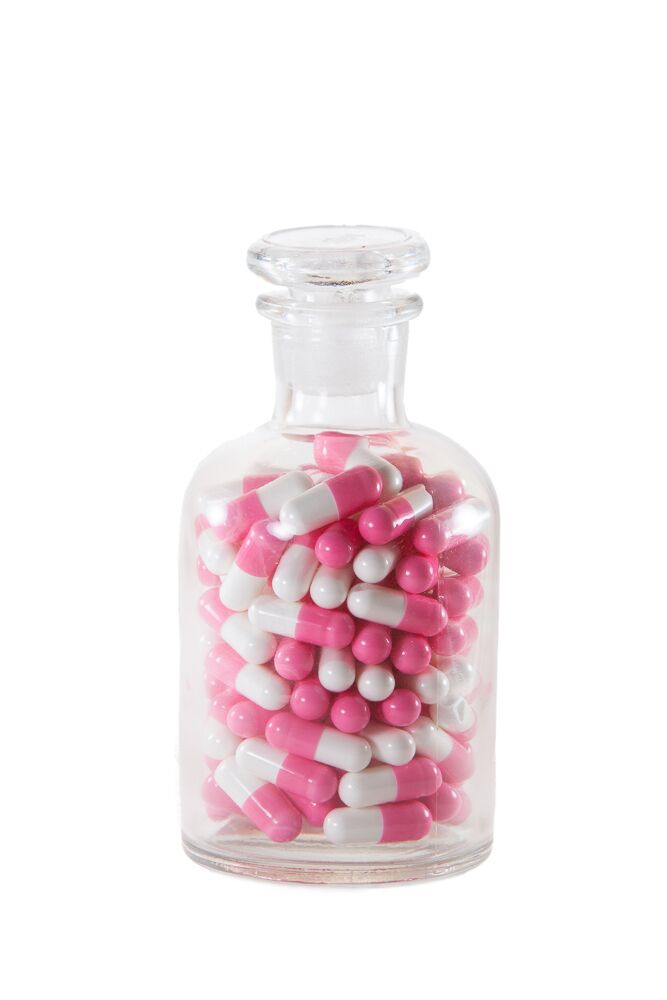
Treatment of Menstrual Irregularities. Protection of the Endometrium (Lining of the Uterus).
DetailsCompounded Progesterone topical cream
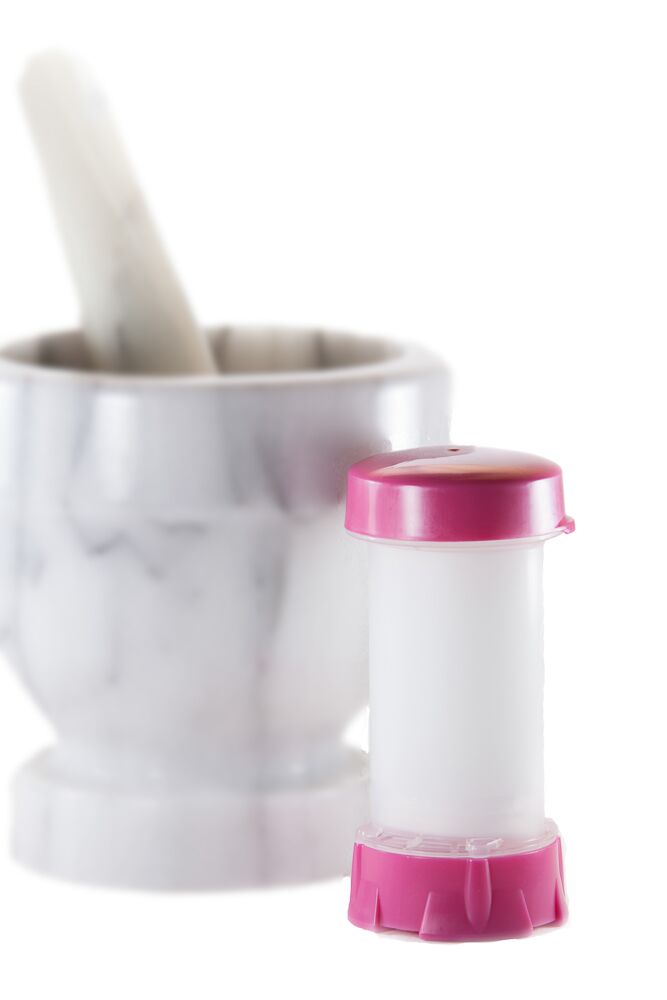
Treatment of Menstrual Irregularities. Protection of the Endometrium (Lining of the Uterus).
DetailsCompounded Progesterone sublingual tablets
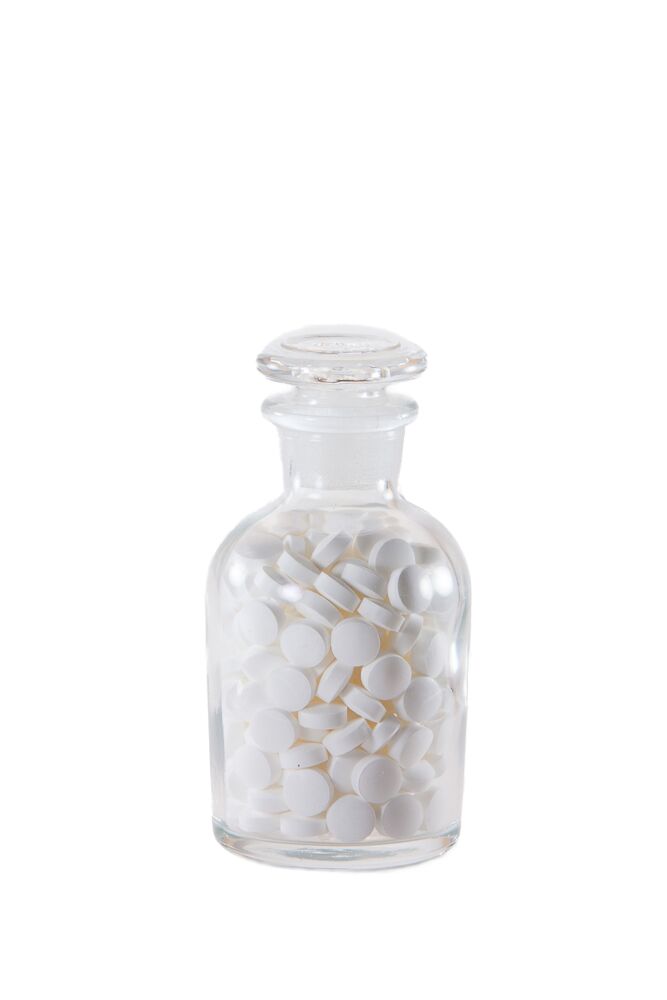
Treatment of Menstrual Irregularities. Protection of the Endometrium (Lining of the Uterus).
DetailsFrequently Asked Questions | Estrogen Dominance in PMS
While estrogen and progesterone both rise after ovulation, a sharp drop in both occurs right before your period begins. However, if you have estrogen dominance in PMS, your estrogen levels remain high relative to a progesterone deficiency, which can trigger intense hormonal changes and mood swings.
Deficiencies in Vitamin B6, Magnesium, and Calcium are frequently linked to increased symptoms of estrogen dominance (progesterone deficiency). Supporting your body with these nutrients, alongside natural, compounded progesterone, can be a key strategy in how to reduce estrogen dominance and achieve long-term period relief.
Yes. Estrogen dominance in PMS is often the primary reason symptoms like breast tenderness, bloating, and irritability feel unmanageable. Without adequate luteal phase support from progesterone, the "unopposed" estrogen can make your hormonal changes and mood swings significantly more severe.
Yes. Using natural compounded progesterone is one of the most effective ways to find PMS relief. By addressing a progesterone deficiency, you help the body return to a state of hormonal equilibrium, which provides essential period relief and helps stabilize your mood and physical comfort throughout your cycle.
Contact Us
Local: 281-828-9088
Toll Free: 877-640-5248
Fax: 281-828-9669
pharmacy@PhysiciansPreferenceRx.com
Location
20214 Braidwood Drive
Suite 140
Katy, Texas 77450
See Map



© Copyright 2026. Physicians Preference Pharmacy. All Rights Reserved.