
Methylene Blue: The Unlikely Compound That Refuses to Be Ordinary
By: Physicians Preference RX
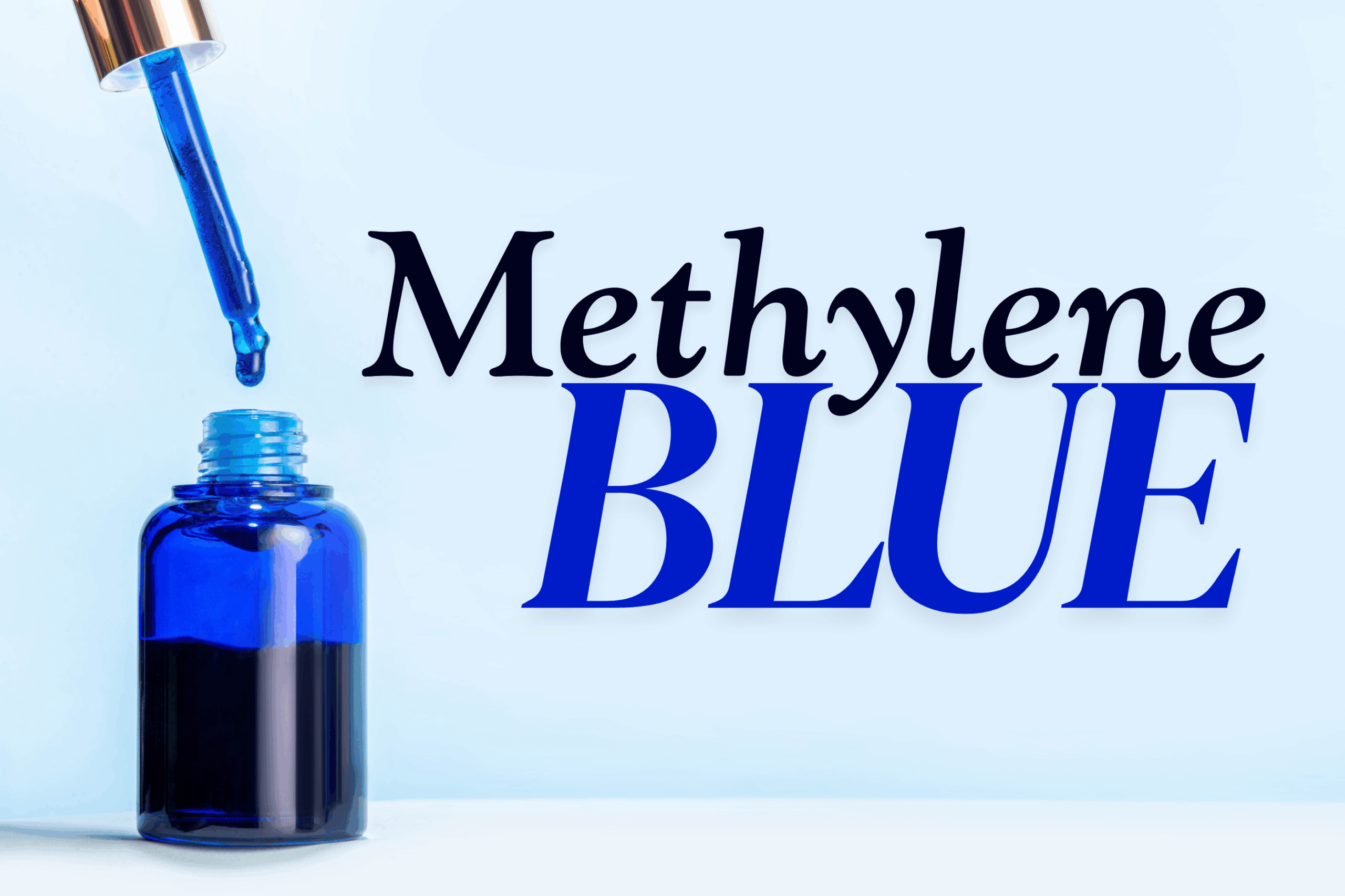
If you were skimming a list of medical compounds that matter, methylene blue would probably not catch your eye. It sounds more like something you would find in an art studio than in a serious medical conversation.
And yet, methylene blue has been quietly woven into the fabric of medicine for more than a century.
Long before modern pharmaceuticals dominated healthcare, methylene blue was used in hospitals, laboratories, and even on the battlefield. During World War II, soldiers stationed in malaria-endemic regions were given methylene blue as part of antimalarial protocols, a decision driven by necessity, practicality, and real-world effectiveness¹. That history alone makes it unusual. Few compounds used in wartime medicine are still being actively studied generations later.
What makes methylene blue fascinating is not a single benefit or headline claim. It is the way this compound repeatedly shows up whenever cellular energy, oxygen use, and metabolic efficiency are involved. As science has shifted its focus toward mitochondria, metabolism, and brain energy, methylene blue has remained relevant, not as a trend, but as a tool that never quite went away.
What Is Methylene Blue?
Methylene blue is a synthetic compound first developed in the late 1800s. It began as a textile dye, but scientists quickly noticed something unusual. It interacted with living cells in ways that made biological structures easier to study and, in some cases, function more effectively.
That observation changed its trajectory.
Over time, methylene blue became widely used in medicine. Today, it is FDA approved for specific clinical uses, including the treatment of methemoglobinemia, a rare blood disorder that interferes with the blood’s ability to carry oxygen². It is also used in hospital settings as an antidote for certain types of chemical poisoning.
Its medical value is well established. In fact, methylene blue has remained on the World Health Organization List of Essential Medicines for decades³. Very few compounds maintain that level of clinical relevance for so long.
That history matters. Compounds do not stay in medical use for over a century unless they do something fundamentally important.
Why Scientists Keep Revisiting Methylene Blue
To understand why methylene blue continues to attract scientific interest, it helps to understand mitochondria.
Mitochondria are the energy-producing structures inside nearly every cell in the body. They convert oxygen and nutrients into adenosine triphosphate, or ATP, which fuels everything from muscle contraction to hormone signaling to thought itself.
When mitochondria function well, cells adapt, repair, and respond efficiently. When mitochondrial function declines, energy production falters, and tissues with high energy demands are affected first.
Research has linked mitochondrial dysfunction to:
- Cognitive decline and memory problems⁴
- Fatigue and reduced endurance
- Increased oxidative stress
- Impaired immune response
- Age-related degeneration
Methylene blue interacts directly with mitochondrial energy production. It can act as an alternative electron carrier in the mitochondrial electron transport chain, helping cells generate ATP more efficiently, particularly under conditions of metabolic or oxidative stress⁵.
Laboratory studies have shown that methylene blue enhances mitochondrial respiration, improves oxygen utilization, and reduces markers of cellular stress⁵. This mitochondrial connection helps explain why methylene blue appears in research across so many different biological systems.
Why the Brain Pays Special Attention
The brain is one of the most energy-demanding organs in the human body. Although it accounts for only about two percent of body weight, it uses roughly twenty percent of the body’s total energy.
That makes brain cells especially sensitive to disruptions in mitochondrial function.
One of methylene blue’s unique characteristics is its ability to cross the blood–brain barrier, allowing it to directly influence neuronal metabolism rather than working indirectly through circulation alone.
Human imaging studies using functional MRI have shown that low doses of methylene blue increase activity in brain regions associated with memory and attention. Participants demonstrated improvements in memory retrieval speed, focus, and performance on attention-based tasks⁶⁷.
These effects appear to be linked to improved cellular energy availability rather than stimulation or sedation. In other words, methylene blue does not act like caffeine or a psychoactive drug. It supports the brain’s ability to meet its own energy demands.
Mood, Mental Energy, and Resilience
Long before modern antidepressants existed, methylene blue was studied for its effects on mood. In controlled clinical trials dating back several decades, individuals with severe depressive symptoms showed greater improvement when methylene blue was used compared to placebo⁸.
Methylene blue is not classified as an antidepressant. However, these findings support a broader idea that is gaining traction in modern medicine: mental and emotional well-being are closely tied to cellular energy balance, oxidative stress, and metabolic efficiency.
When brain cells struggle to generate energy, mood and motivation often decline alongside cognition. Supporting energy production at the cellular level may influence how the brain responds to stress, demand, and recovery.
Methylene Blue and Neurodegenerative Research
Mitochondrial dysfunction is a well-documented feature of neurodegenerative conditions, including Alzheimer’s disease. Research shows that individuals with Alzheimer’s exhibit impaired brain energy metabolism, increased oxidative stress, and altered glucose utilization⁹.
Methylene blue has been studied for its ability to:
- Support mitochondrial respiration in neural tissue
- Reduce oxidative damage
- Influence pathways related to neurotoxicity⁹
These properties have made it a compound of interest in ongoing research related to cognitive aging and neurodegeneration.
Effects Beyond the Brain
Methylene blue’s influence on cellular energy extends beyond neurons.
Immune and Antimicrobial Activity
Methylene blue has demonstrated antimicrobial activity against certain bacteria, fungi, parasites, and viruses. Researchers believe these effects involve disruption of microbial redox balance and interference with metabolic processes¹⁰.
Pain and Circulation
Clinical and observational studies have explored methylene blue in various pain contexts, including neuropathic pain, migraines, ischemic pain, and post-operative discomfort. Some reports describe reductions in inflammatory nerve pain, possibly related to nitric oxide modulation and improved cellular respiration¹¹.
Why Compounded Methylene Blue Matters More Than Over-the-Counter Options
As interest in methylene blue has grown, many people have turned to over-the-counter products, including liquid solutions sold online. While these products may appear convenient, there are meaningful differences between compounded methylene blue intended for medical use and products sold outside of pharmacy oversight.
Purity and Quality Standards Are Not the Same
Compounded methylene blue is prepared under pharmaceutical standards designed for human use. This includes verification of purity, controlled sourcing, and appropriate handling.
Many over-the-counter methylene blue products are not regulated as medications. Some are labeled for laboratory, aquarium, or industrial use rather than ingestion. Independent analyses have shown that non-pharmaceutical dyes may contain variable concentrations, impurities, or additional coloring agents not intended for human consumption¹².
Dose Accuracy Is Critical
Methylene blue is biologically active at very low doses. Compounded formulations are prepared to deliver consistent, precise dosing.
Liquid over-the-counter products introduce variability. Drop size can differ between droppers, concentrations may not be standardized, and user technique affects dosing accuracy. Small dosing errors can matter with a compound that affects cellular metabolism¹³.
Stability and Formulation Matter
Methylene blue is sensitive to light and storage conditions. Compounded formulations are prepared with stability in mind, while some liquid products may degrade over time, altering potency and effectiveness¹⁴.
Professional Oversight Makes a Difference
Methylene blue can interact with certain medications and medical conditions. Compounded methylene blue is prescribed with professional oversight, allowing dosing and use to be tailored to individual needs and safety considerations.
Why Physicians Preference Pharmacy Is a Trusted Source
For compounded methylene blue, Physicians Preference Pharmacy provides a level of precision and quality that over-the-counter options cannot match.
Physicians Preference Pharmacy:
- Compounds methylene blue specifically for human use
- Maintains rigorous quality and purity standards
- Provides accurate low-dose formulations
- Works directly with healthcare providers
When a compound influences fundamental cellular processes, sourcing and formulation matter.
Why Methylene Blue Still Matters
Methylene blue continues to appear in research, not because it is new, but because it addresses something fundamental.
- How cells generate energy.
- How the brain uses oxygen.
- How the body responds to metabolic stress.
As medicine increasingly focuses on mitochondria and systems-level biology, methylene blue remains relevant. Sometimes progress comes not from discovering something new, but from understanding familiar tools more deeply.
Have Questions About Methylene Blue?
Methylene blue is a powerful compound with a long medical history, and it deserves thoughtful use. If you have questions about compounded methylene blue, dosing considerations, or whether it may be appropriate in your situation, we encourage you to call and speak directly with our pharmacy team.
At Physicians Preference Pharmacy, our pharmacists work closely with healthcare providers and patients every day. A real conversation can help clarify options, answer safety questions, and ensure you are getting accurate information, not guesswork from the internet.
Call us at 281-828-9088 with questions. It would be our privilege to serve you.
Sometimes the most important part of good care is simply having access to knowledgeable professionals who take the time to explain things clearly.
References
- Guttmann P, Ehrlich P. Über die Wirkung des Methylenblaus bei Malaria. Berlin Klin Wochenschr. 1891.
- FDA. Methylene Blue Injection prescribing information.
- World Health Organization. WHO Model List of Essential Medicines.
- Sonntag KC, et al. Late-onset Alzheimer’s disease is associated with inherent changes in bioenergetics profiles. Scientific Reports. 2017;7:14038.
- Atamna H, et al. Methylene blue delays cellular senescence and enhances key mitochondrial biochemical pathways. FASEB Journal. 2008;22(3):703–712.
- Rodriguez P, et al. Multimodal randomized functional MR imaging of the effects of methylene blue in the human brain. Radiology. 2016;281(2):516–526.
- RSNA. Methylene Blue Shows Promise for Improving Short-Term Memory. 2016.
- Naylor GJ, et al. A controlled trial of methylene blue in severe depressive illness. Biological Psychiatry. 1987;22(5):657–659.
- Sonntag KC, et al. Scientific Reports. 2017.
- Ansari MA, et al. Antifungal action of methylene blue involves mitochondrial dysfunction. Open Microbiology Journal. 2016;10:12–22.
- Über schmerzstillende Wirkung des Methylenblaus. 1980.
- United States Pharmacopeia (USP). Pharmaceutical vs non-pharmaceutical dye standards.
- FDA. Compounding and dosing accuracy guidance.
- PubChem. Methylene Blue stability and photodegradation data.
Recent Posts
- Repurposed Uses for Nitazoxanide: SIBO and Viral Symptoms
- 7 Methyl-B Benefits That Could Change How You Feel
- Methylene Blue: The Unlikely Compound That Refuses to Be Ordinary
- Compounded Melatonin: More Than a Sleep Aid
- Why Compliance Matters with Compounded Medications
- Understanding Your Thyroid Treatment Choices: Finding What Works Best for You
- Parasites Explained: Ivermectin, Mebendazole, & More
- Amlexanox: Unlocking the Hidden Potential of a Forgotten Drug
- Cortisol: Key Compound for Adrenal Fatigue Relief
- Compounded Prescriptions for Sleep to End Restless Nights
Contact Us
Local: 281-828-9088
Toll Free: 877-640-5248
Fax: 281-828-9669
pharmacy@PhysiciansPreferenceRx.com
Location
20214 Braidwood Drive
Suite 140
Katy, Texas 77450
See Map



© Copyright 2026. Physicians Preference Pharmacy. All Rights Reserved.